There was a moment during New York Fashion Week this April when the most interesting thing in the room wasn't on the runway. It was on the rack. At the Retail Innovation Lab — a physical, experience-led space unveiled on April 12 by N4XT Collections and SAP — the mirror knew what you had just picked up. A ceiling-mounted camera tracked every garment pulled off the line. An RFID chip sewn into the collar whispered its origin story back to you. The future of fashion, quietly, was already there.
If the past few seasons have been defined by designers flirting with technology — holographic models, AI-printed textiles, the occasional deepfake muse — April 2026 marks the inflection point where the flirt became official. This season, tech stopped being the spectacle and became the stagehand. Industry insiders are calling it the Invisible Tech era: the moment fashion stopped showing off its technology and started actually using it to solve real problems in real time.
The Rack As A Live Database
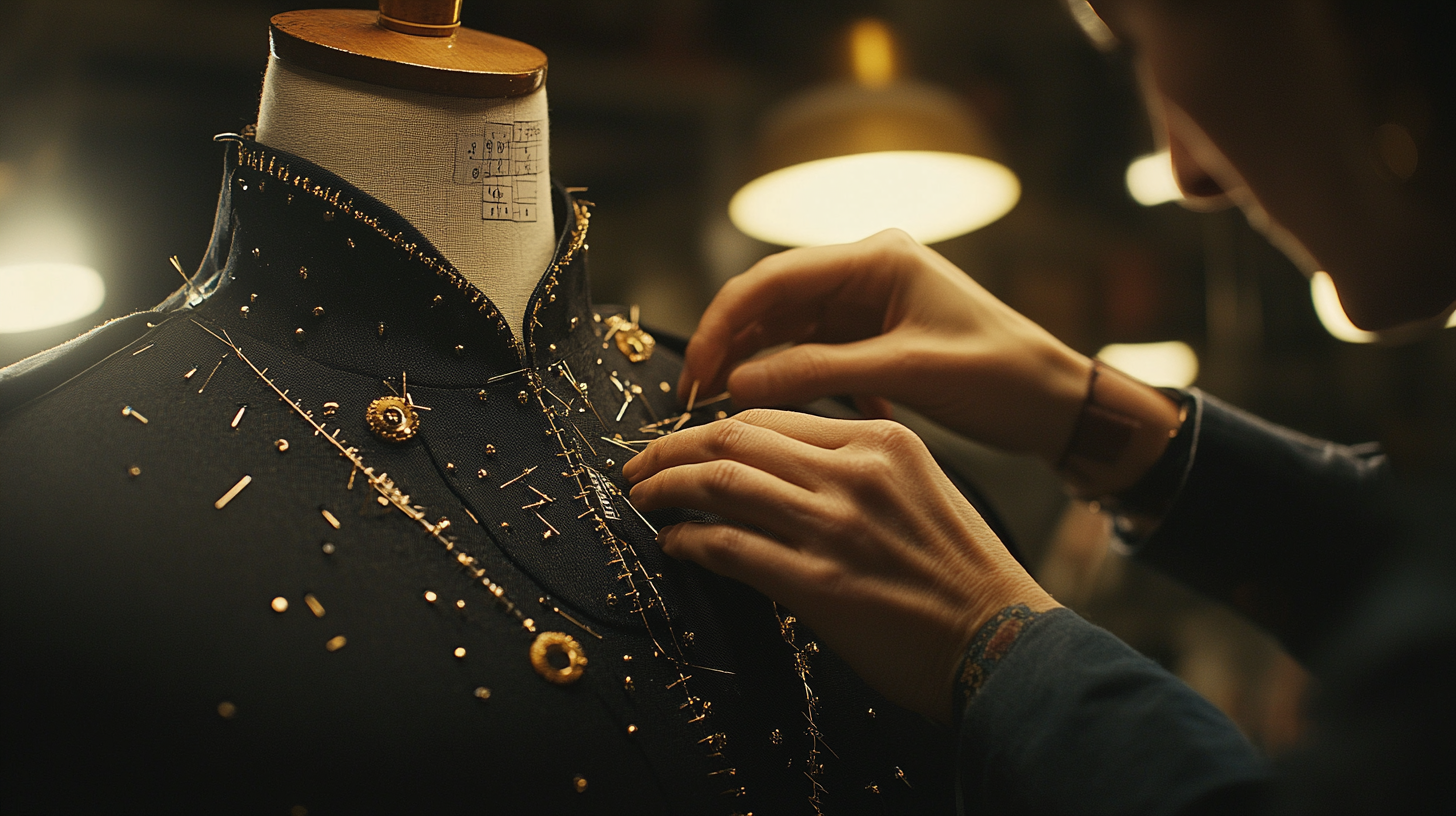
Public School — the New York label cofounded by Dao-Yi Chow and Maxwell Osborne — chose the Retail Innovation Lab as the launchpad for its relaunch, and the choice was architectural. Instead of a traditional runway show, the designers invited 200 industry insiders into a live store powered by SAP's AI-enabled retail stack. RFID-tagged garments communicated with smart mirrors in real time. The mirrors fed data back to the inventory system. The inventory system informed pricing, content recommendations, even styling suggestions. What used to require three staff members and a backroom terminal now happened in the six feet between a shopper and her reflection.
The most quietly luxurious feature of the entire experience was the Digital Product Passport embedded in each piece. Tap the garment with your phone, and you unlock the entire origin story: where the fabric was milled, which artisan atelier cut it, what inspired the designers, how the piece performs. For a generation that asks "where is this from" before "what size do you have," this is the feature that signals a brand actually understands what luxury means now.
The Dream Closet, Built From A Selfie
A few blocks away, L'Agence was running its own experiment that will have far wider reach. For its Fall 2026 presentation, the California label partnered with Google on what they called the "dream closet" activation. Editors and creators uploaded a single selfie, and within seconds watched themselves wearing all ten looks from the collection — fully rendered in real time. The technology underneath is Google's Gemini 2.5 Flash Image model, trained to generate photorealistic full-body digital twins from a single front-facing photograph. The experience takes under a minute. Pre-orders begin before guests have even walked back out to the street.
Here's the detail that matters: Google is shutting down Doppl, its standalone virtual try-on app, on April 30. But the technology isn't disappearing — it's being integrated directly into Google Search and Google Shopping. Within weeks, the dream-closet moment that just happened at fashion week will be available on every product page on the internet. For retailers, the runway was a preview. For Google, the runway was a soft launch.
The AI Stylist In Your Pocket
Ralph Lauren, never one to miss an inflection point, has been rolling out Ask Ralph — a conversational AI stylist built with Microsoft on the Azure OpenAI platform. You open the app, type "what should I wear to a concert in Brooklyn?" and Ask Ralph returns a complete, shoppable outfit pulled from current inventory. It adapts to your tone, learns from your satisfaction with its suggestions, adjusts for the city you're in, checks your calendar for context. It's not a search bar with better UI. It's an actual stylist — one that has read every Ralph Lauren lookbook ever produced and understands the code of each collection.
What matters here is the framing shift. A year ago, an AI stylist would have been announced as a "tech partnership." This year, it's positioned as a core feature of the customer experience. The tool lives in the customer's pocket, not on the brand's marketing stage. That distinction is the whole point: in the Invisible Tech era, the technology disappears into the experience, and the experience is the brand.
The Market Sees What's Happening
The smart retail market — which encompasses everything from AI-driven inventory management to computer vision fitting rooms to personalized recommendation engines — is projected to hit $30 billion by 2030, according to NÈVE Editorial analysis of market forecasts from McKinsey and Gartner. That's a 34% compound annual growth rate from current market size. The adoption curve is no longer S-shaped. It's vertical.
For luxury brands, the stakes are specific and non-negotiable: the brands that win the next five years are the ones who figure out how to make technology feel like a luxury service — a mirror that remembers what you tried on last season, a stylist who listens to what didn't work, a passport that proves the story. The brands that lose are the ones who keep treating tech as a marketing beat, an add-on, a press release.
The RFID tag sewn into a Public School coat isn't a feature. It's a relationship. The mirror that knows you isn't novelty. It's hospitality. The closet that builds itself isn't artificial intelligence. It's intuition. What happened in New York this April wasn't a runway story or even a tech story. It was an infrastructure story — the kind that moves slowly at first, then all at once. The mirror knows. The closet is already building itself. The stylist is on call. The passport has already been written. The future of fashion isn't coming. It's already on the rack.