The skincare shelf as you know it is dying. Walk into Sephora and you'll still see it — rows of serums and moisturizers and masks, organized by brand and price point, designed for hypothetical skin types that don't actually exist. But the future isn't there. The future is on your phone. It's in a custom formulation that gets mixed for your skin, your climate, your microbiome, your genetic predispositions, updated quarterly as your skin changes. It's algorithmic. It's personalized. It's $72 billion by 2035, according to market analysis from NÈVE Editorial, and it's quietly making the mass-market shelf obsolete.
The shift isn't coming because consumers demanded it. It's coming because technology enables it. When you can map someone's skin with AI, predict their response to specific ingredients using machine learning, and manufacture custom formulations at scale, the economics of mass production break. The margin is better in personalization. The customer lifetime value is higher when they're locked into a system that learns their skin over time. And the beauty industry, which has always been built on convincing people that they need better products, has discovered something more powerful: convincing people that they need their products, made specifically for them.
When AI Becomes The Dermatologist
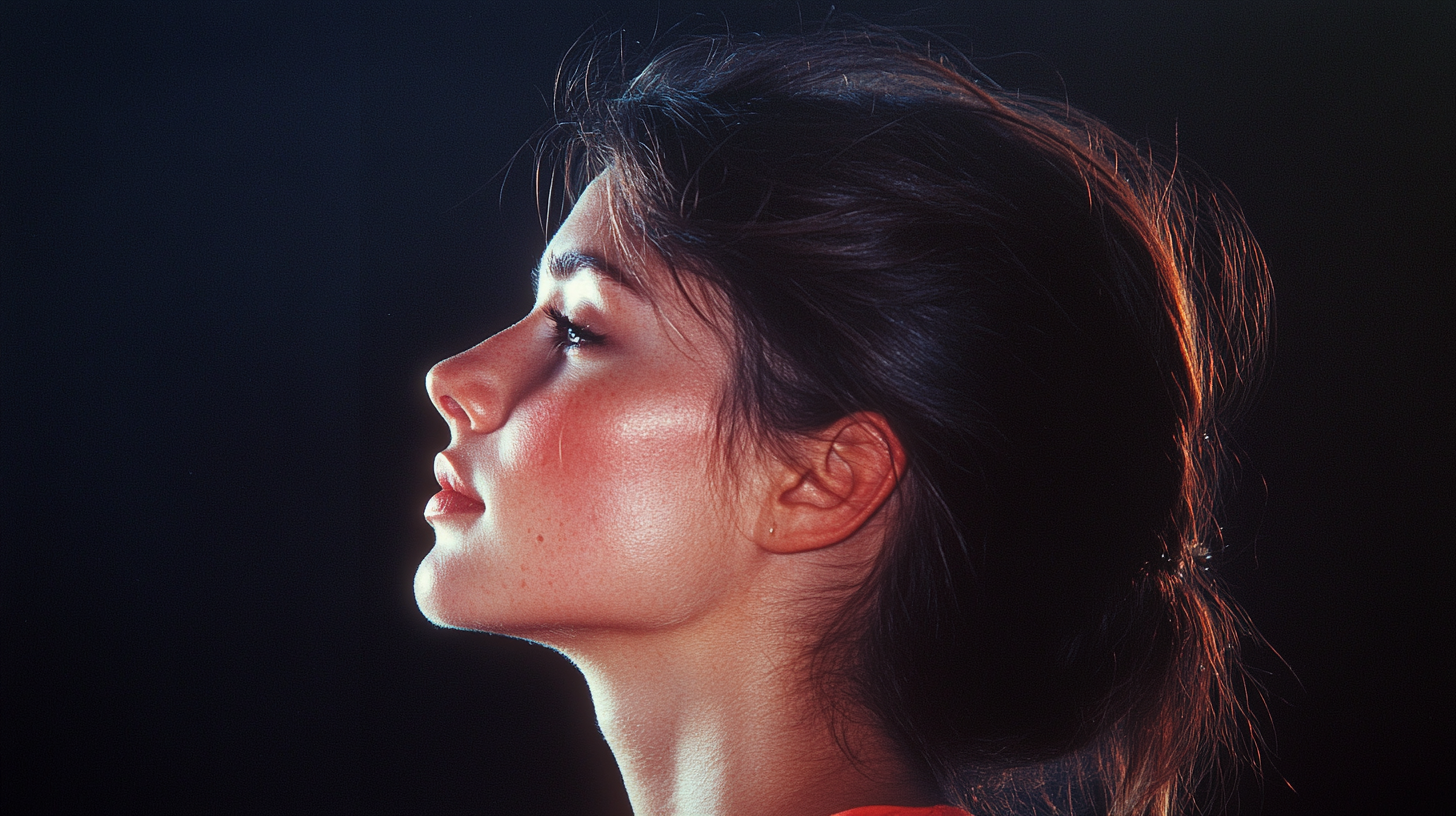
The current leaders in personalized skincare — Proven, Atolla, Olay Skin Advisor, and increasingly, major houses like L'Oréal with their SPOT program — all work the same way: take a photo, answer questions about your skin, and receive a custom formulation recommendation. But the technology underneath is getting more sophisticated. Proven now uses multi-spectral skin imaging — technology that sees wavelengths of light your eye can't, revealing inflammation, hydration, and pigmentation patterns invisible to the naked eye. Atolla's algorithm considers your skin's microbiome, adjusting formulations based on bacterial populations. The skincare system doesn't just treat your skin. It learns it.
What's remarkable is the speed of adoption. Proven, founded in 2022, has already captured enough market share to worry L'Oréal enough that they're acquiring direct-to-consumer brands instead of relying on their retail distribution. Olay's AI-driven recommendation engine — sitting behind the world's largest skincare brand — is pushing significant volume into custom recommendations instead of off-the-shelf products. The shelf isn't being replaced overnight. But the growth is entirely in personalization. The shelf is just maintaining.
The Formulation Becomes The Data
Here's what matters economically: a $60 jar of moisturizer on the shelf has about 40-50% gross margin, and the customer buys it once or twice a year. A custom skincare program — where you receive a personalized serum formulated for you every month — has 60-70% gross margin and creates a subscription. The customer value is 3-4x higher. The retention is vastly better. And the data? The data is incredible. Every month you fill out a form about how your skin responded. Every quarter the algorithm updates based on seasonal changes. Within a year, the system knows your skin better than you do.
This is why L'Oréal and Estée Lauder and Unilever are so aggressively acquiring personalized skincare companies: they understand that the beauty industry's future isn't products. It's systems. Not bottles. Algorithms. Not one-time purchases. Subscriptions. The brands winning in personalized skincare aren't winning because they have better formulations. They're winning because they've built a moat around customer data and algorithmic recommendations that make it impossible for customers to switch.

The Mass Market Becomes The Archive
The projections are striking: personalized skincare is estimated to grow at 35-40% annually through 2035, while mass-market skincare grows at 2-3%. At that trajectory, by 2032, personalized skincare will represent more than 20% of the total skincare market. And once personalization hits critical mass, it creates a feedback loop: more customers generating more data, making algorithms smarter, making recommendations better, making personalization more valuable. The shelf? The shelf becomes the archive. It's there for people who haven't discovered personalization yet. But it's not where innovation lives anymore.
This has profound implications for traditional beauty brands. Lancôme doesn't win by making a better La Roche-Posay competitor. Lancôme wins by building the best algorithm for skin type prediction and the most sophisticated formulation engine. It's a completely different skill set. Some traditional brands are acquiring their way there. Some are building partnerships. Some are hoping the shelf stays relevant long enough that they don't have to change. They won't. The math doesn't work.
What Gets Lost When Skincare Becomes Algorithmic?
There's something worth preserving in the simplicity of the shelf. The ritual of choosing. The tactile experience of testing products. The discovery of an ingredient you didn't know you needed. The serendipity of a recommendation from a friend. Personalization optimizes all of that away. You don't choose. The algorithm chooses. You don't discover. The algorithm recommends. The ritual becomes a subscription. The experience becomes data input.
But optimization wins. Always. The customer who gets a custom serum formulated for their skin — a serum that actually addresses their specific concerns in their specific climate with their specific microbiome — that customer will stay. They won't go back to the shelf because the shelf was never for them. The shelf was for an average. And the average customer doesn't exist anymore. If they did, the algorithm would find them.
The $72 billion projection assumes this transition happens. Assumes that the economics and the efficacy of personalization overcome the inertia of the retail system. Assumes that major beauty companies figure out how to make AI-driven formulation scale. Assumes that customers trust algorithms with their skincare enough to subscribe long-term. All of those assumptions are looking increasingly solid. The shelf will survive. It will just matter less. And that's when you know a category has really changed — not when it disappears, but when it becomes optional. The mass-market shelf will always exist. But the future of skincare? The future is liquid, personalized, algorithmic, and made just for you.